GSM, Weave, and Weight: The Technical Vocabulary That Predicts How a Garment Will Perform
When a garment feels substantial in your hands, there is a reason. When it drapes cleanly off the shoulder rather than clinging or bunching, that is not a coincidence of design. When a shirt maintains its structure through dozens of wash cycles while a nearly identical one loses its shape after three, the difference is traceable—to specific measurements, specific construction methods, and specific material decisions made long before the garment reached a retail floor.
The language that describes those decisions exists. It is used daily in apparel manufacturing and sourcing. It is rarely communicated to the end consumer, which means most shoppers are making significant purchasing decisions without access to the most predictive information available. That gap is worth closing.
GSM: The Single Most Useful Number in Fabric Evaluation
GSM stands for grams per square meter. It is the standard unit of measurement for fabric weight across the global textile industry and the most reliable single indicator of a fabric's density, hand feel, and structural behavior.
To understand what GSM communicates, consider the range across common apparel categories. A lightweight summer t-shirt fabric typically falls between 120 and 150 GSM. A mid-weight jersey appropriate for year-round casual wear generally runs 160 to 200 GSM. A substantial fleece or sweatshirt fabric sits in the 280 to 400 GSM range. Outerwear woolens used in quality overcoats often exceed 500 GSM.
Within any given fabric category, higher GSM generally correlates with greater durability, improved drape, and better retention of shape over time. A 180 GSM cotton t-shirt will hold its structure and resist pilling more effectively than a 130 GSM alternative, even if both garments are constructed from identical fiber content and weave structure. The additional material mass creates more resistance to the friction and stress of regular wear.
This does not mean that heavier is always better. Fabric weight must be appropriate to the garment's intended function and seasonal application. A 400 GSM cotton dress shirt would be oppressive in summer heat. The relevant skill is not seeking maximum weight, but recognizing whether the GSM of a given fabric is appropriate for its stated purpose—and whether that weight suggests the manufacturer prioritized material quality or cost reduction.
Weave Structure: How Thread Interlacing Determines Behavior
Fabric weight tells you how much material is present. Weave structure tells you how that material is organized—and organization determines performance characteristics in ways that weight alone cannot predict.
The three foundational weave structures that govern the majority of woven apparel fabrics are plain weave, twill weave, and satin weave. Each produces a distinct set of functional and aesthetic properties.
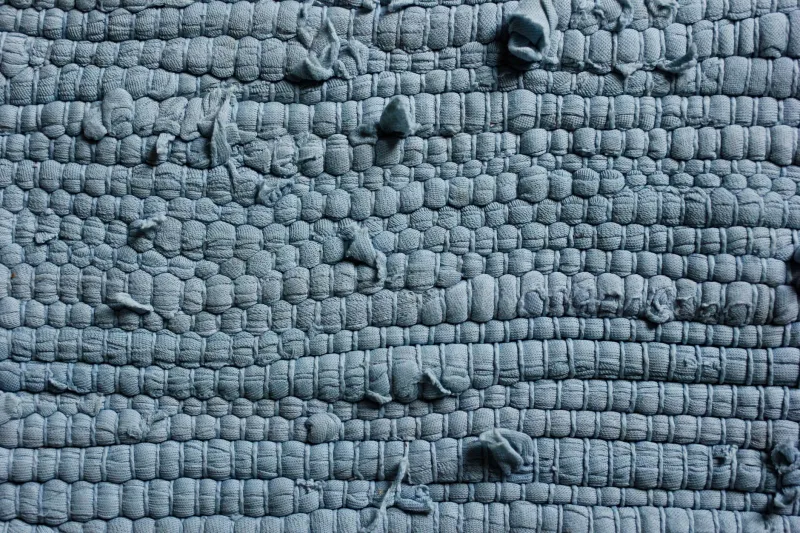
Plain weave is the most structurally basic configuration: each weft thread passes alternately over and under each warp thread in a simple checkerboard pattern. The result is a stable, firm fabric with a matte surface and relatively equal strength in both directions. Muslin, broadcloth, and most basic cotton shirting are plain-weave constructions. Plain weave fabrics resist stretching and maintain their dimensions reliably, but they are less forgiving of stress at single points, making seam placement and allowance particularly important during construction.
Twill weave introduces a diagonal interlacing pattern, with each weft thread passing over two or more warp threads before passing under one. This structure produces the characteristic diagonal rib visible in denim, chino, gabardine, and herringbone fabrics. Twill weaves are notably more durable than plain weaves of equivalent weight because the longer interlacing floats distribute stress across more threads simultaneously. They also drape more fluidly, making them the preferred structure for trousers, suiting, and structured outerwear.
Satin weave maximizes float length, with weft threads passing over four or more warp threads before interlacing. This produces the smooth, lustrous surface associated with formal and luxury fabrics. The trade-off is reduced structural integrity—satin weaves are more susceptible to snagging and abrasion than either plain or twill constructions of equivalent weight. A satin-weave garment positioned as a daily-wear piece rather than an occasional formal item should be evaluated skeptically.
Knit Construction: A Different Set of Rules
Knitted fabrics operate on entirely different structural principles than wovens. Rather than interlacing threads at right angles, knits are formed by interlocking loops of yarn. This looped structure is what gives knitwear its characteristic stretch and recovery—properties that wovens cannot replicate without the addition of elastomeric fibers.
Within knit fabrics, the relevant technical variable is loop density, often expressed as courses (horizontal rows) and wales (vertical columns) per inch. Higher loop density produces a tighter, more stable knit with better shape retention and a finer hand feel. Lower density produces a more open, drapey fabric that is lighter but more prone to distortion under stress.
For consumers, the practical implication is this: a knit garment that feels loosely constructed and somewhat unstable when gently stretched will not improve with wear. It will grow. A tightly knit piece with consistent loop density will maintain its silhouette across its functional lifespan.
Thread Count, Yarn Twist, and the Details Beneath the Details
Beyond GSM and weave structure, two additional technical variables significantly influence garment performance: yarn twist level and thread count in woven constructions.
Yarn twist refers to the number of times per inch that fibers are twisted during yarn formation. Higher twist levels produce harder, more durable yarns that resist pilling and abrasion. Lower twist levels produce softer, loftier yarns that feel more luxurious initially but are more vulnerable to surface wear. A fine dress shirt fabric made from high-twist two-ply yarn will outlast one made from loosely twisted single-ply yarn by a substantial margin, even if both register similar GSM values.
Thread count in woven fabrics—the number of threads per square inch in both directions combined—correlates with surface smoothness and, to a degree, density. However, thread count has been subject to significant marketing manipulation, particularly in home textiles. In apparel, it is more useful as a comparative tool within a single fabric category than as a cross-category quality indicator.
Applying Technical Knowledge in a Retail Environment
Few retail environments display GSM values, weave specifications, or yarn twist data on their product tags. Acquiring this knowledge requires either direct inquiry—asking sales staff or contacting brands for technical specifications—or developing the tactile literacy to estimate fabric characteristics through handling.
That tactile literacy is learnable. A fabric with substantial GSM has a particular heft when held loosely. Twill weaves produce a subtle diagonal texture visible under light. Tight knits resist deformation when gently stretched and released. These physical characteristics can be assessed in any retail setting, without instrumentation, once you understand what you are feeling for.
The garment industry builds products to specific technical standards because those standards reliably predict performance. Consumers who understand even the basics of that technical language enter every purchasing decision with a meaningful advantage—one that price tags, brand names, and marketing descriptions simply cannot provide.