The Fabric Argument: Why What Your Clothes Are Made Of Matters More Than What They Look Like
There is a quiet crisis running through the American wardrobe, and it has very little to do with style.
Garments are being discarded at a rate that would have seemed extraordinary to previous generations—not because owners tire of the design, but because the clothing simply stops functioning. Seams unravel after a dozen washes. Synthetic blends pill into irreversibility within a season. A shirt that looked sharp on the rack begins to distort and fade before the year is out. The culprit, in the vast majority of cases, is not poor taste. It is an insufficient understanding of fabric.
Most American consumers are trained, primarily by advertising and retail display, to evaluate clothing by its visual and aesthetic qualities: the cut, the color, the silhouette, whether it resembles something they saw on a recent runway or in a social media feed. Fabric—the actual material from which a garment is constructed—receives comparatively little attention at the point of purchase. This is a costly oversight, and correcting it is one of the most practical investments a consumer can make.
The Lifecycle Begins with the Fiber
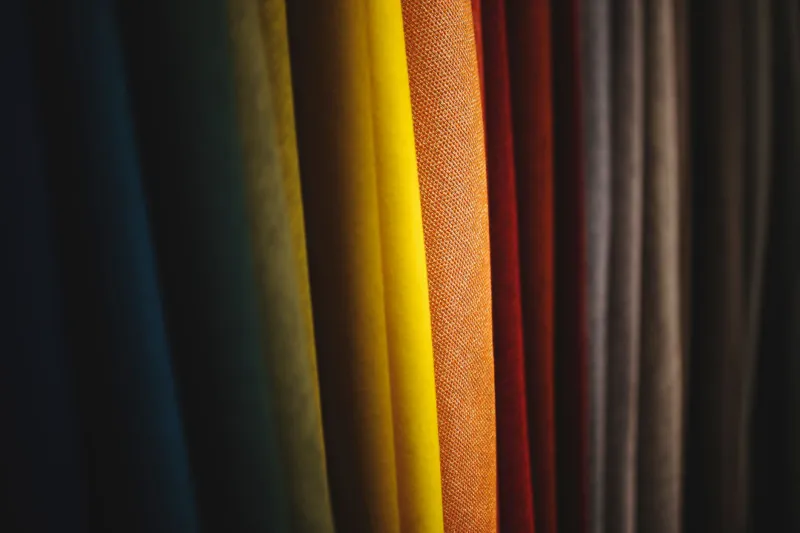
Every garment has a lifecycle, and that lifecycle is largely determined before a single stitch is placed. The fiber content of a fabric—whether it is a natural material like cotton, wool, or linen, a synthetic like polyester or nylon, or a performance blend combining both—establishes the ceiling for how long a piece will last, how it will feel against skin, how it will respond to cleaning, and how it will hold its shape over time.
Natural fibers, as a general category, tend to age with more dignity than their synthetic counterparts. A well-constructed wool garment, properly cared for, can remain wearable for a decade or longer. High-quality cotton develops a softness with age that synthetics rarely replicate. Linen, initially stiff and prone to creasing, relaxes into a texture that many wearers find increasingly appealing over years of use.
This is not to suggest that synthetic fibers are without merit. Performance polyester blends have transformed athletic and activewear, offering moisture management and shape retention that natural fibers cannot match in high-exertion contexts. Nylon's durability makes it an appropriate choice for outerwear and accessories subjected to significant abrasion. The issue is not synthetic fibers per se—it is the application of low-grade synthetic materials to garments where longevity and comfort should take precedence.
Reading a Fabric Label as a Practical Skill
The fiber content label sewn into every American garment is, for most shoppers, an afterthought. For the informed buyer, it is the most important piece of information in the store.
A label reading "100% polyester" on a dress shirt sold at a mid-range price point is a signal worth heeding. That garment is likely to retain heat uncomfortably, resist moisture transfer, and begin pilling within a year of regular wear. Contrast that with a shirt labeled "100% cotton" or "cotton-modal blend"—materials that breathe, soften with washing, and maintain their drape considerably longer.
Beyond fiber content, construction matters enormously. Thread count in woven fabrics, the tightness of a knit, the weight of a fabric measured in grams per square meter—these are not arcane technical details reserved for textile professionals. They are practical indicators of how a garment will perform in daily use. A heavier-weight denim, for instance, will outlast a lighter one under comparable conditions. A tightly woven poplin shirt will resist pilling and distortion more effectively than a loosely constructed alternative.
The True Cost of Trend-Chasing
Fast fashion's central proposition is that consumers can participate in trend cycles at low financial cost per garment. What this calculus omits is the cumulative cost—both financial and environmental—of replacing inexpensive, low-quality pieces on a near-constant basis.
Consider a consumer who purchases three polyester blouses at fifteen dollars each, replacing them annually as they pill, fade, or lose their shape. Over five years, that represents two hundred twenty-five dollars and fifteen discarded garments. Compare that to a single well-constructed cotton or silk-blend blouse purchased for seventy-five dollars and maintained for five or more years with appropriate care. The economics, examined honestly, favor quality—and that is before accounting for the environmental cost of textile waste, which the United States generates at an estimated eleven million tons per year.
Trends, by definition, are temporary. Fabric quality is not. A garment cut in a silhouette that reads as dated can often be restyled, layered, or adapted. A garment whose material has degraded beyond recovery cannot be rehabilitated by any amount of creative styling.
Performance Blends and the Middle Ground
The binary between natural fibers and synthetics is, in practice, far more nuanced than it might appear. The most sophisticated garments in the contemporary market frequently occupy a thoughtfully engineered middle ground.
Merino wool blended with a small percentage of nylon offers the thermal regulation and softness of wool alongside improved durability at points of friction. Cotton-elastane blends maintain the breathability and hand-feel of natural cotton while adding the stretch recovery that makes trousers and fitted shirts far more comfortable across a full day of movement. Tencel and modal, derived from plant cellulose, offer a drape and softness comparable to silk at a fraction of the cost, with improved environmental credentials relative to conventional synthetics.
Understanding these options transforms the shopping experience. Rather than responding to how a garment looks on a mannequin or a model, the informed consumer begins to ask: What is this made from? How will it wear? How should it be cleaned, and can I realistically maintain it that way?
Building a Fabric-First Wardrobe
Adopting a fabric-first approach does not require abandoning personal style or ignoring aesthetic preferences. It requires adding a layer of material literacy to decisions that were previously made on visual instinct alone.
Begin by identifying the garments in your current wardrobe that have held up best over time. In most cases, you will find that the survivors share certain characteristics: heavier construction, natural or high-quality blended fibers, and care that has been relatively straightforward to maintain. Let those pieces inform your future purchasing criteria.
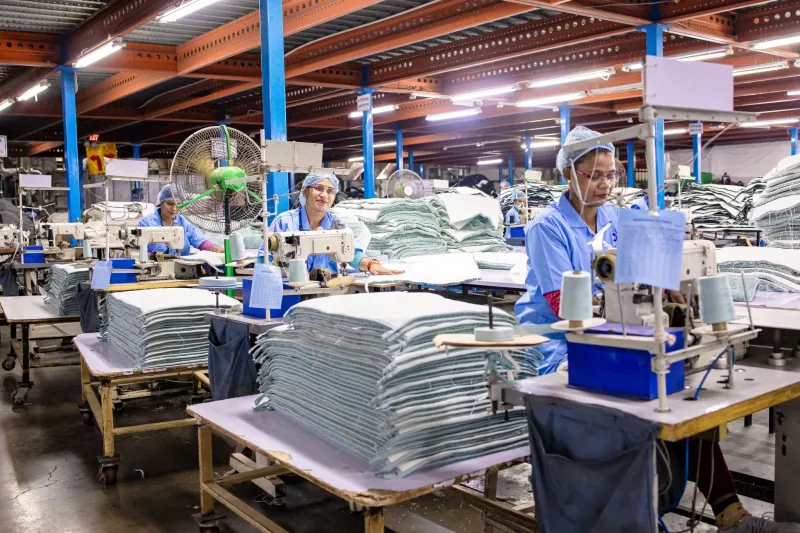
At Yuliwg Garment, material selection is treated as a foundational design decision rather than an afterthought. The understanding that a garment's longevity begins at the fiber level shapes every production choice we make. For consumers, embracing that same principle is the clearest path toward a wardrobe that genuinely serves them—season after season, trend cycle after trend cycle.